Beyond the Science: Mastering the Silent Language of Grant Writing Success
The Graduate Education Journey by Dane Bozeman, PhD
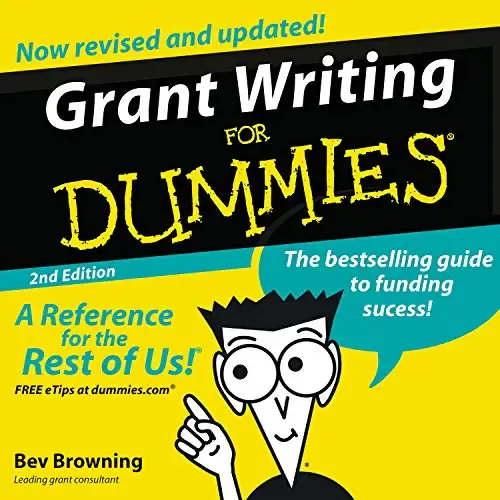
On Fridays we will continue the Introduction blog series, but on Tuesdays and Sundays we want to do something a little different. We work with graduate students and other academics on a daily basis. As a result of our work, we recognize the need to address issues faced by academics that an app, such as Quester, cannot. Therefore, on Tuesdays we will discuss both upcoming information related to Quester as well as cover issues we see academics face during their time in graduate education. We will call these posts, “The Graduate Education Journey”. This is the first post in that series. This post is inspired by our work over the last several months with three academics participating in the grant writing process. We are proud to say all three received good news and we want to share some thoughts on grant writing success.
When we think of grant writing, especially for high-stakes applications through the NSF, NIH, and other public or private institutions, we often focus on the form: the innovative methodology, the statistical power, and the compelling research strategy. But as we’ve learned from observing the intense, behind-the-scenes work of early-career academics, the actual proposal document is only the tip of the iceberg.
The “art” of grant writing is deeply tied to the social, bureaucratic, and emotional labor that goes on long before the “submit” button is clicked. Here is what we’ve observed about the non-technical hurdles that define the path to grant writing success.
The Strategy of Collaborative Resilience
Grant writing is rarely a solitary endeavor, even if you are the one doing the writing. Grant writing involves a delicate dance of managing mentor expectations, securing timely letters of recommendation (LORs), and navigating the sometimes competing requests from senior faculty.
- The Lesson: Success often hinges on your ability to coordinate relationships proactively. Success isn’t just about the research, but also about managing the human logistics: ensuring your mentors have what they need to support you and navigating the emotional weight of those high-stakes requests.
Communicating Complexity to Diverse Audiences
A common trap in technical writing is reliance on jargon or overly complex phrasing that can cause reviewers to lose the thread. Feedback isn’t always about the science being “wrong”; often, feedback centers on clarity.
- The Lesson: If your reviewers lose track of your argument because of a misplaced synonym or an overly complex adjective, they cannot appreciate the quality of your innovation. Refining your narrative to resonate with practical significance, rather than just technical niche, is a critical skill that requires constant iteration.
Protecting Your Capacity
The administrative burden of grant writing often happens on top of an already full plate of lab management, research, mentorship, and teaching. Feeling “behind in everything” is common while simultaneously trying to perfect a research strategy.
- The Lesson: The real “unwritten” rule of grant writing is that you must ruthlessly prioritize your mental and professional bandwidth. Whether this means clearing space in your calendar by moving meetings or participating in writing groups for accountability, protecting your ability to think clearly is just as important as the proposal itself.
Navigating the Emotional Rollercoaster
There is a specific kind of anxiety associated with waiting for feedback or worrying about the next leg of your career. This anxiety is normal.
- The Lesson: Build “buffering” mechanisms into your routine. Whether finding time for a run, leaning on a support system to talk through concerns, or simply recognizing that feeling anxious is a rational response to a high-pressure environment, managing your own resilience is part of the work.
Ultimately, grant writing is as much about the process of professional maturation as it is about the research you are proposing to conduct. By mastering these “soft” skills (communication, project management, and personal resilience), you aren’t just improving your chances of funding; you are building the foundation for a sustainable academic career. One final note. Achieving grant writing success is not the end, but rather the beginning. By all means, celebrate your success but then get back to work. We often say, the worst thing about success is this means you have to keep working.
-
What is the biggest “unwritten” hurdle you’ve faced when applying for grants?
-
How do you balance the administrative load of grant writing with your daily lab responsibilities?
-
What strategies have you found most effective for managing mentor relationships during a high-stakes application process?
-
How do you maintain professional resilience when faced with critical feedback on your work?
Read next
Surviving the Dissertation Marathon: Lessons from the Field
The Graduate Education Journey by Dane Bozeman, PhD

The AI Transition: Rethinking the Researcher’s Workflow
The Graduate Education Journey by Dane Bozeman, PhD

The Art of Emotional Separation: Why Your Advisor’s Anxiety Doesn’t Have To Be Your Stress
The Graduate Education Journey by Dane Bozeman, PhD