The AI Transition: Rethinking the Researcher’s Workflow
The Graduate Education Journey by Dane Bozeman, PhD
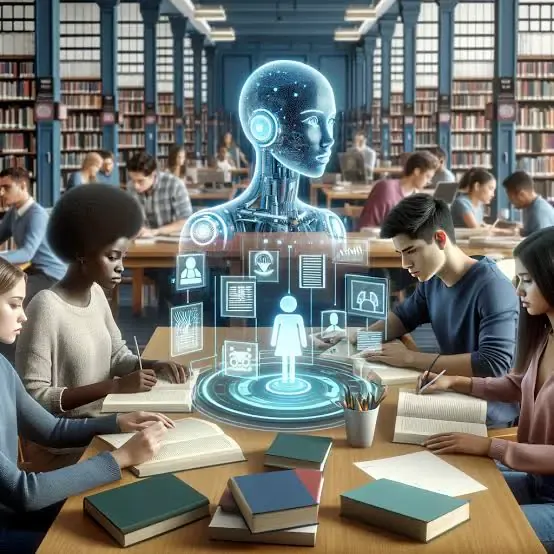
The integration of Artificial Intelligence (AI) into academic research is changing how researchers conduct their work. For many researchers, change is not about replacing the actions of associated with research, but rather offloading the cognitive overhead that often leads to burnout. For those of us who have been researchers for a while, this integration feels familiar. We are old enough to remember the concern that some felt with the introduction of the internet and the rise of social media. Yet, we met the changes created by the internet and social media in research with integration. AI, much like those previous changes, is only as good or bad as the users. We want to share some thoughts on the use of AI in graduate education as we have already seen how the current generation of graduate students are integrating AI in their work.
Streamlining the Literature Review
A common challenge for graduate students is the sheer volume of literature that must be synthesized for literature reviews. We find AI can assist in managing this literature. Instead of manually scanning hundreds of abstracts, AI can be used to categorize papers by methodology and theoretical framework. This enables students to focus their energy on synthesizing the core arguments rather than just gathering data. AI does not do the work for students; the technology simply allows students to reach the critical analysis phase more quickly.
- Lesson: AI is best used as a filter, not a final authority; use AI to organize and find patterns in high volumes of text, but always perform your own deep reading to ensure the context of the review remains accurate.
Overcoming the “Blank Page” Syndrome
Writing is notoriously difficult in graduate education, especially when balancing research hours and data collection. We have witnessed AI help graduate students organize their thoughts before writing. By feeding rough, unstructured notes into an AI assistant, students can generate cohesive outlines that connect their fragmented ideas. While the AI does not complete the writing process, this technology can provide the necessary scaffolding to begin the process.
- Lesson: Use AI for “structural thinking” rather than final drafting; AI excels at connecting fragmented ideas, which allows you to maintain your unique voice while overcoming the initial hurdle of getting words on the page.
The Pitfall of Over-Reliance
Students already know AI tools can generate very plausible-sounding but entirely fictitious references. This serves as a reminder that reliance on AI to do the “heavy lifting” can lead to dangerous errors. AI can often “hallucinate” information that sounds authoritative, placing students in a position where they might unintentionally compromise their integrity. Ultimately, the quality of scholarly work is entirely dependent on the diligence of students.
- Lesson: Never cite or rely on information generated by an AI without manually verifying the original source; treat every piece of information provided by AI as a lead that requires validation.
Reflective Questions for Your Research Practice
-
How can you integrate AI into your writing process to speed up outlining while ensuring your final analysis remains distinctly your own?
-
What is your specific workflow for fact-checking AI-generated content to ensure that your literature reviews and citations are beyond reproach?
-
In what ways has the use of AI changed how you think about your time? Have you gained space for deeper creative work, or has it just increased the number of tasks you feel pressured to complete?
Read next
Beyond the Science: Mastering the Silent Language of Grant Writing Success
The Graduate Education Journey by Dane Bozeman, PhD
Surviving the Dissertation Marathon: Lessons from the Field
The Graduate Education Journey by Dane Bozeman, PhD

The Art of Emotional Separation: Why Your Advisor’s Anxiety Doesn’t Have To Be Your Stress
The Graduate Education Journey by Dane Bozeman, PhD