The Global Scholar: Logistical Realities of International Academic Life
The Graduate Education Journey by Dane Bozeman, PhD
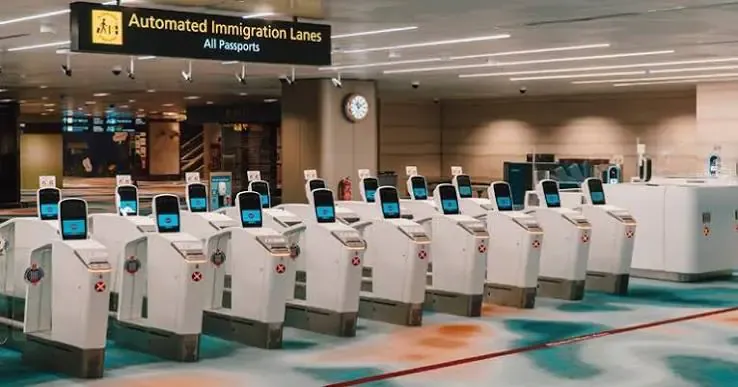
We have had the pleasure of working with graduate students from around the world. We find these students’ experiences in graduate education unique from modern academic life often evoked by images of romantic scenes in quiet libraries, collaborative office hours, and intellectual breakthroughs. However, for those students navigating graduate education across international borders, the reality is far more grounded in the unglamorous friction of international existence. Beyond theoretical models and research reviews, there is the persistent, low-level hum of “logistical life”: the administrative machinery that underpins our mobility. We would like to share some of their experiences.
The Duality of the Graduate Experience
In a journey that spans borders, the pursuit of a graduate degree often becomes a complex balancing act between intellectual rigor and the stark demands of international living. The contrast is often striking: days spent debating precise variables for academic models are punctuated by the looming, exhausting realities of visa applications and immigration paperwork. This duality requires a mental agility that isn’t typically taught in methodology seminars.
- Lesson: Learn to segment your cognitive load. Recognize that your brain has different “modes”: the analytical mode required for research and the administrative mode required for logistics. Attempting to force both simultaneously often leads to burnout; scheduling them in distinct, non-overlapping blocks allows each to receive the necessary focus.
Navigating the Geography of Dislocation
There is a particular kind of “dislocation” that emerges when your life is partitioned by geography. Moving between environments creates a fractured daily rhythm. When you are managing an international relocation, your capacity for deep, sustained focus on your research can be unexpectedly compromised by the mere necessity of tracking bureaucratic deadlines or navigating the unpredictable nature of family health crises from afar.
- Lesson: Cultivate radical patience with your own productivity cycle. Acknowledge that periods of high logistical turbulence will inevitably slow your research velocity. Learning to accept these fluctuations as a feature, not a failure, of your academic journey is essential to maintaining long-term morale.
The Imperative of Open Communication
A critical, yet often overlooked, component of navigating this life is the need to communicate logistical realities to advisors and colleagues. There is often a tendency for international students to shield their mentors from these burdens, fearing they will be perceived as less committed or less capable of handling academic rigor. However, silence can lead to misunderstandings when logistical crises inevitably impact productivity. Building a culture of transparency, where advisors are aware of the logistical “background noise” their students face, is vital. This does not require airing every personal detail; rather, this involves setting realistic expectations regarding timelines, potential periods of reduced availability, or the need for flexibility during transitions. When advisors understand the broader context, they can better support their students, turning a potential point of academic failure into a managed, professional reality.
- Lesson: Proactive, high-level communication about logistical constraints is a professional skill, not a weakness; allowing for better collaborative planning and preventing unnecessary academic strain.
The Hidden Cost of Intellectual Mobility
There are moments when, after a morning spent navigating the labyrinthine immigration process, one must immediately pivot to the minute technicalities of research data extraction. That juxtaposition is the hidden cost of the global scholar: the ability to hold space for high-level intellectual inquiry while simultaneously maintaining a much more fragile space for the logistics that allow you to keep moving.
- Lesson: Treat “transition rituals” as professional necessities. When shifting from high-stress logistical tasks to deep research work, create a buffer (a brief walk, a specific playlist, or a dedicated physical space change) to signal to your brain that the context has shifted. This protects your research time from the spillover of administrative anxiety.
Embracing the Complexity
Rather than treating logistics as a distraction to be minimized, there is value in recognizing them as an inherent component of contemporary academic life. By acknowledging the reality of the “Global Scholar,” we can better support one another in managing the friction between the life we live and the research we produce. It is a path that requires not just intellectual grit, but the practical capacity to endure the administrative weight of global movement.
- Lesson: Reframe your logistical experience as a form of “applied resilience.” The problem-solving, navigation of complex systems, and adaptability required to live and work across borders are advanced professional skills that make you a more capable, well-rounded researcher in the long term.
Reflective Questions for Fellow Scholars
-
How have you successfully integrated the “dead time” required by logistical tasks (visas, housing, travel) into your research workflow?
-
In what ways has the physical experience of living between different countries or cultures shifted your perspective on your research topics?
-
How do you maintain your identity as a scholar when the professional “game” of academia feels at odds with your personal need for stability or family support?
Read next
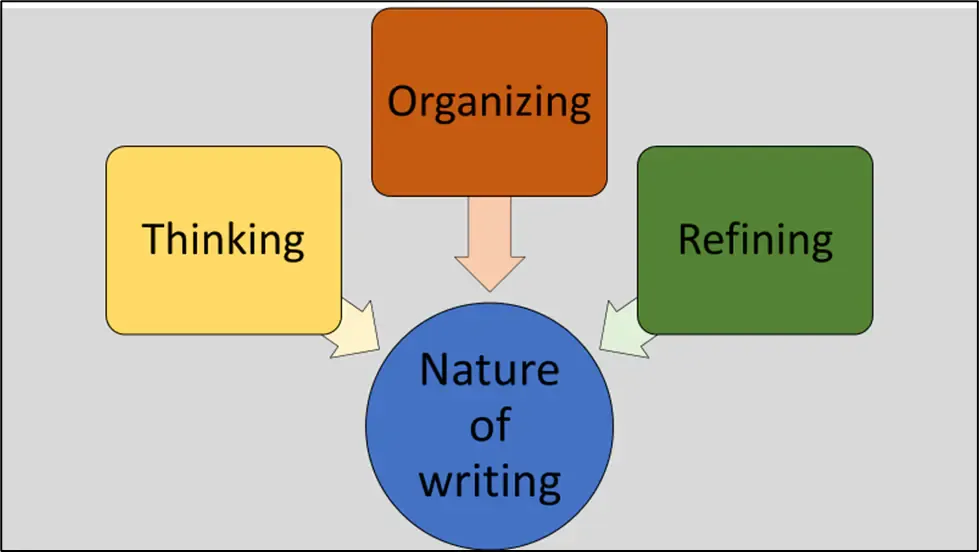
The Architecture of Thought: The Nature of Writing
Introducing Quester and the Quester Group
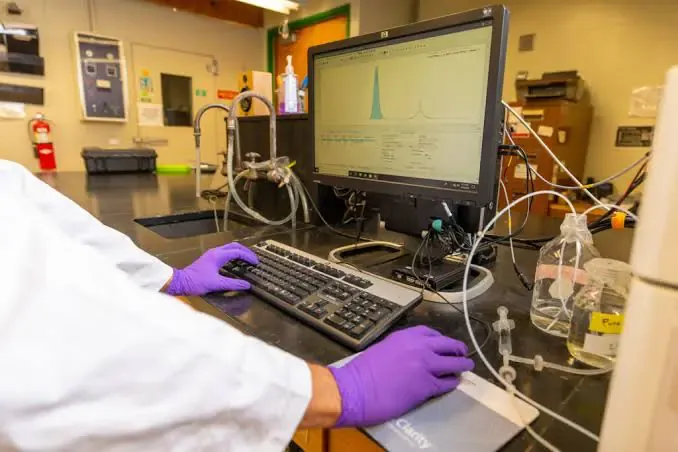
Welcome to Quester
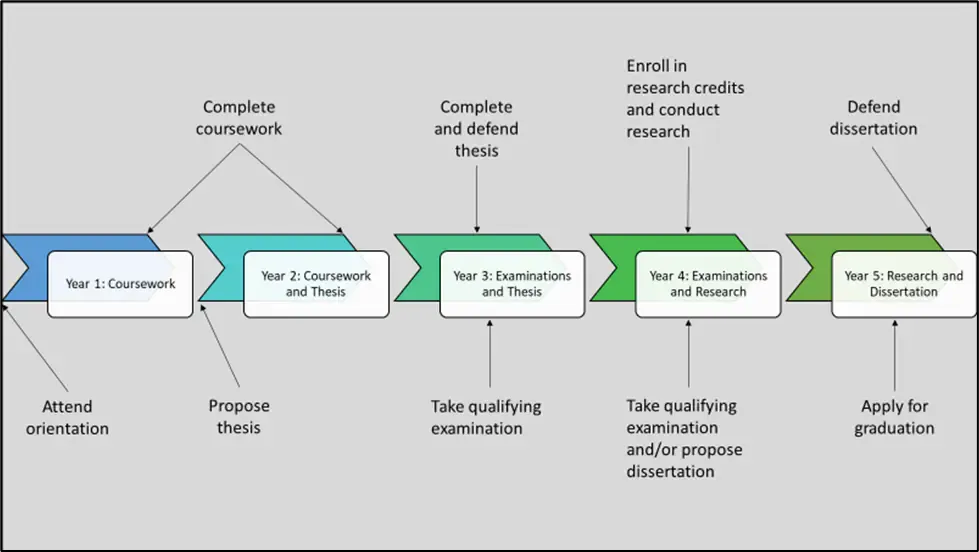
Navigating the Disciplinary Maze: Writing in Graduate Education
Introducing Quester and the Quester Group