Foundations of Academic Inquiry and Scholarly Success
Introducing Quester and the Quester Group
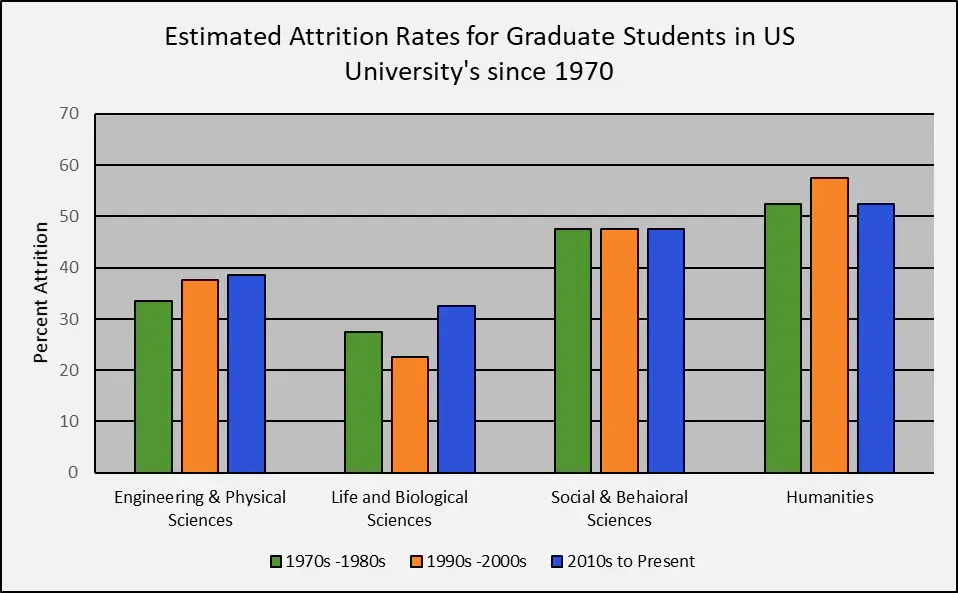
Modern graduate education resembles a vast, expansive landscape. Within that landscape there exists a profound commitment on the part of graduate students to intellectual expansion, representing a pursuit of deep expertise and a dedication to contributing original knowledge to the scholarly community. Globally, the system of graduate education supports over 200 million students. Within the United States alone, approximately four million students currently navigate this challenging landscape. These students bring diverse backgrounds, unique perspectives, and ambitious goals to their programs. Yet, the journey toward a graduate degree frequently proves arduous. High rates of attrition for students plague many institutions, leaving far too many future scholars stranded before achieving their objectives. This initial series introduces the multifaceted nature of this landscape, investigating the roles of philosophy, writing, and design while examining how specialized tools facilitate a more sustainable and successful transformation for graduate students into scholars.
Note. Generated from data collected by the National Center for Education Statistics.
The following blogs provide a roadmap for navigating the complexities of graduate education and research. By bridging foundational philosophical questions with the pragmatic realities of daily academic production, this blog series introduces an examination on how students can transform their experience from one of fragmentation and exhaustion into one of cohesive, successful scholarship. The primary objective involves replacing the frantic, high-pressure habits that plague modern academia with a structured, sustainable practice.
The Complex Landscape of Graduate Education
The academic landscape often feels overwhelming. Graduate students face immense pressure to produce, publish, and perform. A pervasive fear exists among many students: a belief that academic survival requires publishing at least three times each year. This pressure frequently originates from advisors or peers who lack a realistic grasp of the publishing process or the specific demands of a particular field. Such external, often uninformed, expectations create unnecessary anxiety, shifting focus away from rigorous, meaningful scholarship and toward a race for quantity.
This environment frequently contributes to abandoned projects; indeed, a significant portion of articles begun by graduate students never reach publication, stalled by lack of direction, time, or confidence. These unfinished drafts represent lost potential and a drain on the intellectual resources of the academy. Recognizing these systemic hurdles remains the first step in fostering a more supportive environment where students can flourish rather than merely survive.
Success in graduate education hinges upon understanding the underlying mechanisms of knowledge production. Researchers rarely operate in isolation; instead, they participate in an ongoing, global conversation. Contributing effectively to this conversation requires more than raw data or clever observations; researchers need a framework to organize these thoughts, manage the iterative drafting process, and maintain momentum during long-term research endeavors. The high attrition rates for graduate students, paired with the sobering reality that 30 to 70% of academic articles begun by researchers never reach publication, underscore a systemic need for better support.
The Triad of Scholarly Success: Philosophy, Writing, and Design
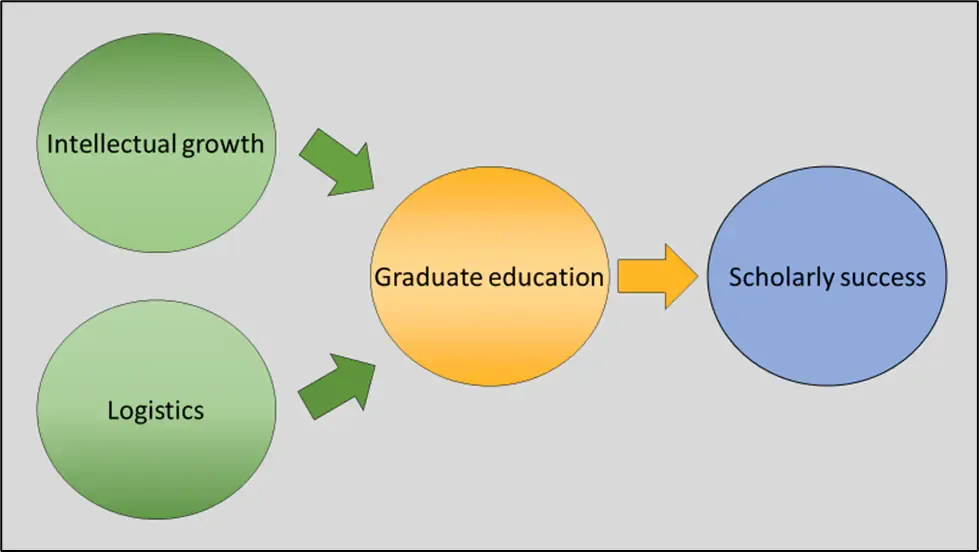
We believe three elements directly impact scholarly success in graduate education; philosophy, writing, and design. Philosophy serves as the bedrock of graduate education, though students often overlook this connection. Research does not exist in a vacuum; every study relies upon underlying paradigms and theoretical frameworks. Understanding the philosophical roots of one’s work clarifies research questions and dictates design choices. Without this foundational clarity, students drift through their graduate education, impeding their scholarly success.
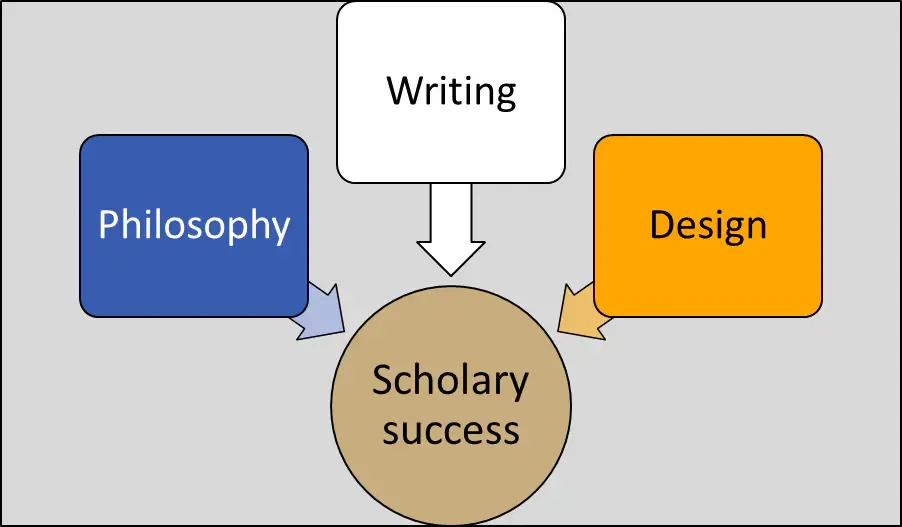
The same applies to writing. Writing acts not merely as a mechanism for reporting results but as a primary vehicle for thinking. Through the process of articulating ideas, researchers refine their arguments and discover new relationships between concepts. Graduate education must emphasize this integration of thought and expression. When writing remains separate from the conceptual phase, graduate students’ work suffers. Instead, the process of writing should function as an ongoing dialogue with the literature and students’ evolving ideas leading to scholarly success.
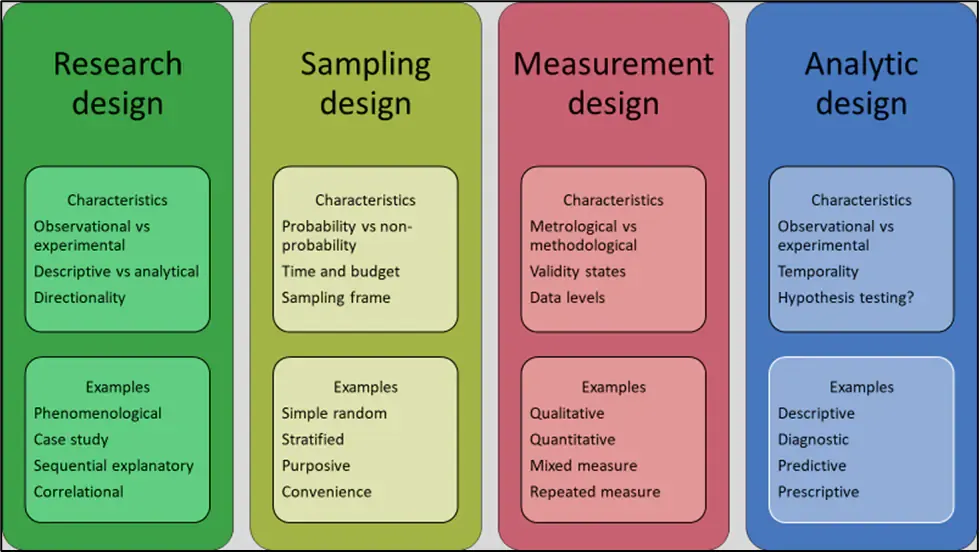
Designs in research operate as the necessary scaffold for scholarly inquiry, transforming abstract theoretical commitments into actionable, rigorous projects. While philosophy provides the essential vision and writing conveys that vision, designs in research convert such visions into systematic investigations. Scholars often treat these designs as rigid requirements rather than as expansive instruments of discovery; however, designs bridge the divide between conceptual intent and purposeful output. When researchers align their design choices with their core philosophical stance, the resulting work gains structural integrity and intellectual clarity. This alignment protects against the fragmentation of purpose, ensuring every phase of research serves the broader, cohesive narrative of scholarly success.
Rethinking Engagement: Daily Progress vs. The Saturday Marathon
Despite the necessity of consistent, reflective work, the prevailing culture within graduate education often encourages “binge-working.” Many graduate students attempt to conduct their lives as students in singular, marathon sessions, often spending six to eight hours on a Saturday trying to cram a week’s worth of intellectual progress into one day of writing. This approach proves notoriously ineffective. The human brain resists such intense, episodic focus leading to potential negative effects on both professional and personal lives. Instead of producing high-quality work, these long sessions lead to burnout, fragmented thinking, and diminished creative output.
The developers of Quester offer a different perspective. Consistent, incremental engagement far outweighs the sporadic, exhausting marathon. Spending fifteen to thirty minutes each day within Quester allows for sustained intellectual momentum. Small, daily interactions foster familiarity with the literature and provide the space for recursive thinking to flourish. By spreading the cognitive load throughout the week, students maintain a sharper focus and reduce the overwhelming dread associated with massive research tasks. Daily work habits transform the research process from a looming obstacle into a manageable, integrated part of daily life.
Engineering an Academic Ecosystem
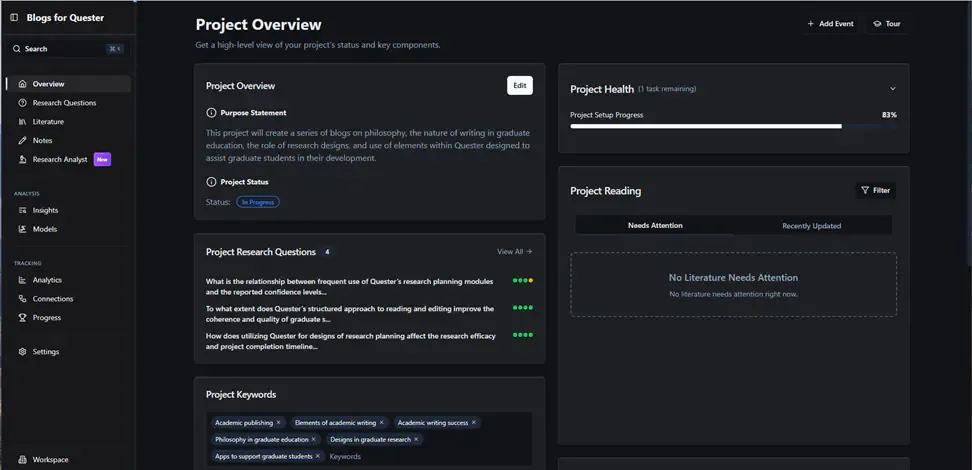
Quester simplifies this process by providing a unified environment that connects disparate research elements. Traditional research management often scatters notes, literature, and analytical data across disconnected folders and applications. Quester solves this fragmentation. For example, the platform enables users to link articles directly within the Literature element to specific keyword analyses within the Analytics element. This capability transforms raw data into actionable insights, allowing students to see how specific themes evolve across various texts.
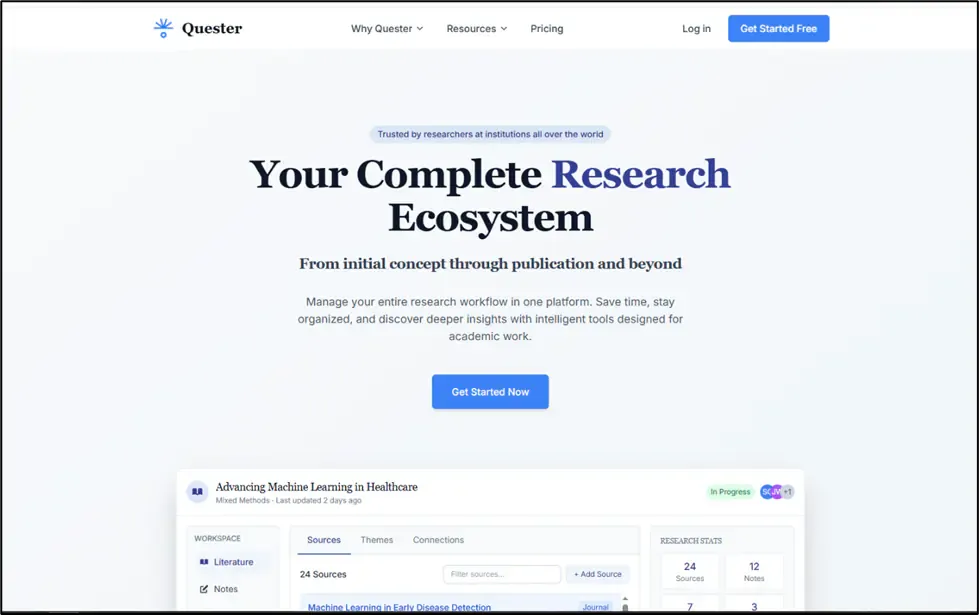
Furthermore, the Connections element assists students in identifying articles to read simultaneously, highlighting thematic overlaps that might otherwise remain hidden. By automating the logistical aspects of research management, Quester frees students to concentrate on the essential work of synthesis and argument construction. Navigating the scholarly landscape requires tools that respect the cognitive processes of researchers. By embracing philosophical awareness, treating writing as a core intellectual practice, recognizing the role of designs in generating new knowledge, and utilizing technology for sustained daily progress, graduate students can navigate the academic landscape with greater confidence and purpose.
Moving Forward Together
Graduate education demands a shift from passive consumption to active, integrated scholarship. This first post in a 7-part blog series serves as a guide for that transformation. By introducing the deep connections between the philosophical foundations of inquiry and the practical application of design and technology, we aim to equip graduate students with the tools for long-term success.
We invite you to reach out or sign up for Quester today to experience a more thoughtful, efficient approach to your academic journey. Together, we can foster a scholarly environment that values depth, consistency, and the true joy of discovery.
Suggested Questions to Consider
-
What underlying philosophical commitments guide my current research project?
-
How might I restructure my daily routine to replace marathon weekend sessions with consistent, short writing periods?
-
Do the publication goals I set for myself stem from genuine professional requirements or from external, arbitrary pressures?
-
What specific cognitive barriers do I encounter most frequently when attempting to translate research ideas into written text?
Read next
The Development of Quester: Engineering an Academic Ecosystem
Introducing Quester and the Quester Group
The Role of Design: The Nature of Research
Introducing Quester and the Quester Group
Navigating the Disciplinary Maze: Writing in Graduate Education
Introducing Quester and the Quester Group